The Logistics of Mounting Pool Solar Panels
Incorporating a solar pool heater into your outdoor recreation space is one of the most cost-effective and environmentally friendly ways to extend your swimming season. Once you’ve decided to move forward with solar energy, the next major step is determining where and how to mount solar panels for the best performance. Proper placement directly influences how much heat your system can generate, how efficiently it operates, and how long it lasts.
Below, we break down the key logistics homeowners should understand before installation. This includes roof options, ground mounting, tilt angles, sunlight exposure, and regional considerations.
Why Proper Placement Matters
Solar pool heaters operate by capturing heat from the sun and transferring it into your pool’s circulating water. Because their effectiveness depends almost entirely on sunlight exposure, placement becomes a central factor in determining how successful the system will be. Strategic positioning can raise your pool temperature noticeably, reduce the need for traditional heating methods, and allow you to swim comfortably across more months of the year. When panels are placed where they receive strong, consistent sunlight during peak hours, the system requires less effort, experiences less wear, and ultimately performs more efficiently.
Roof-Mounted Systems and Their Advantages
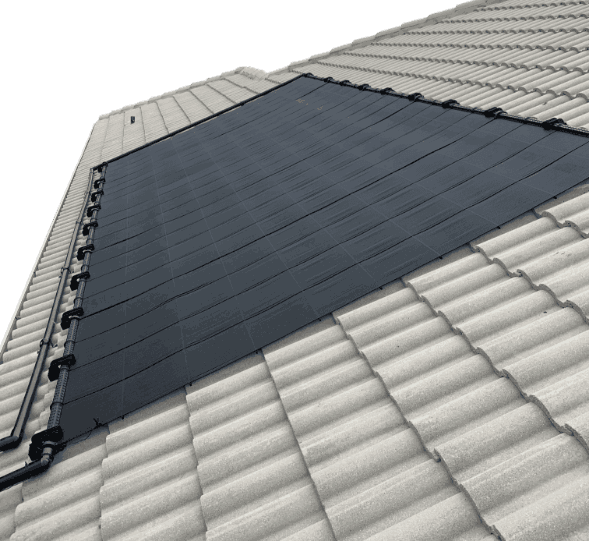
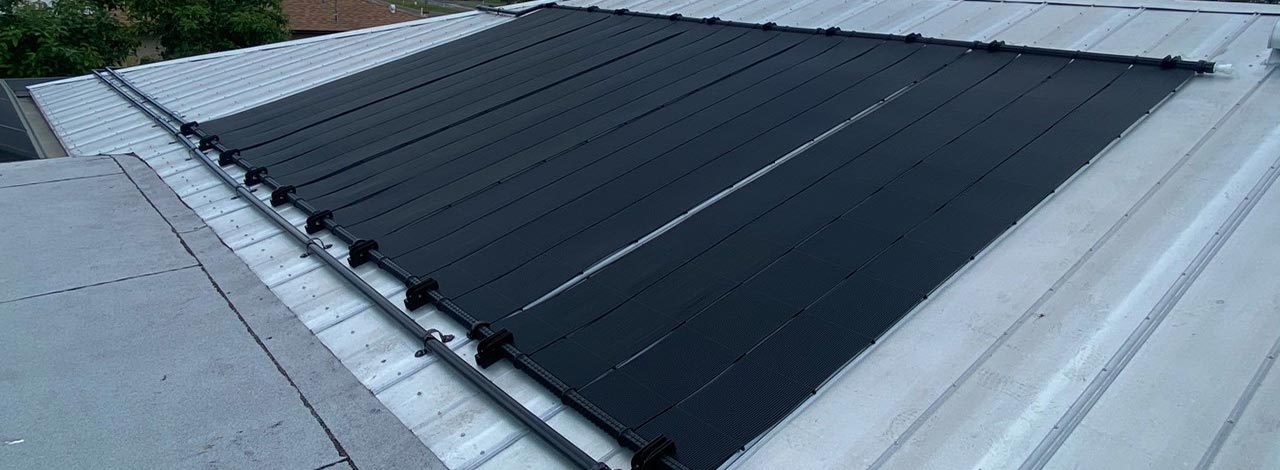
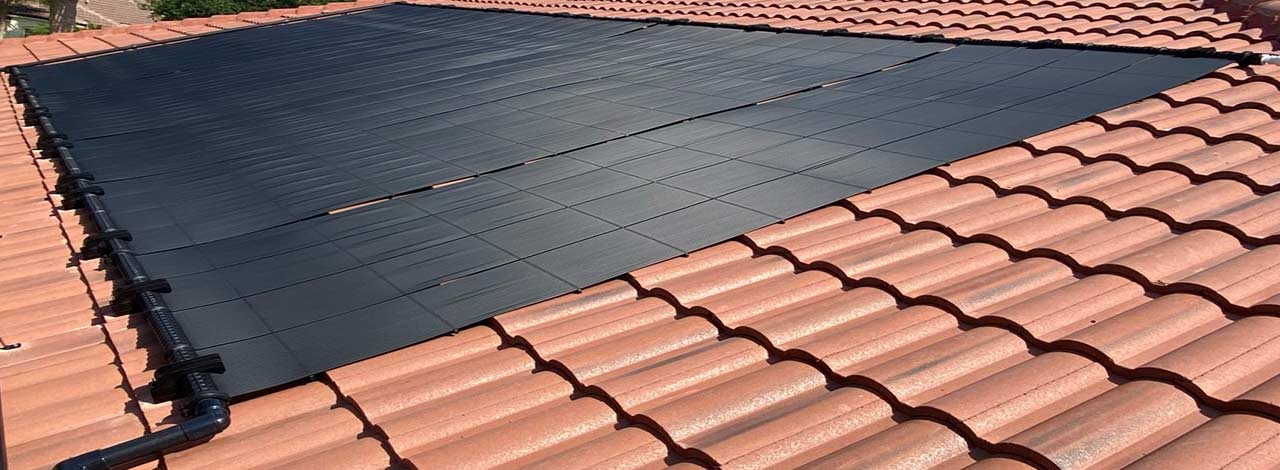
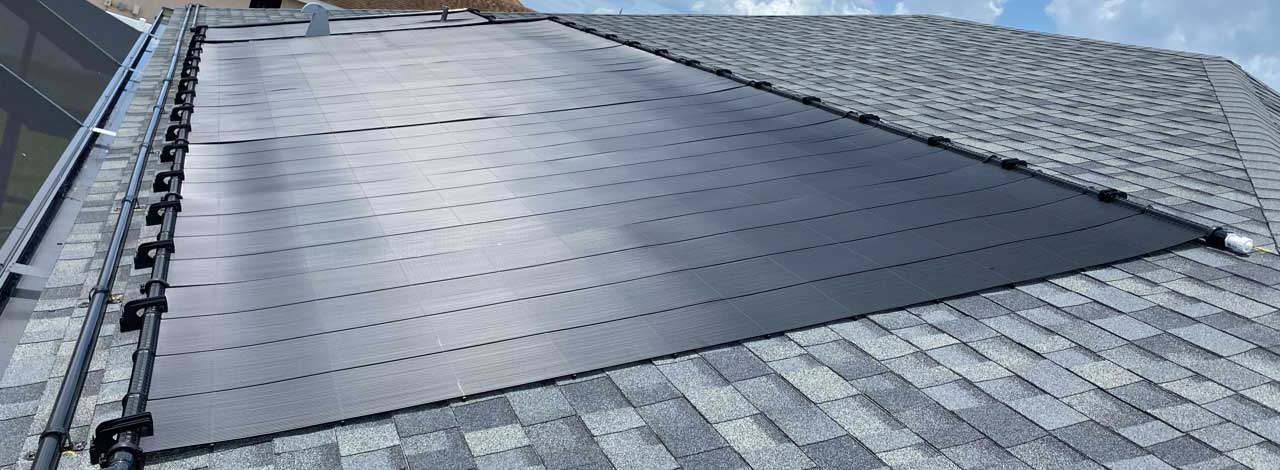
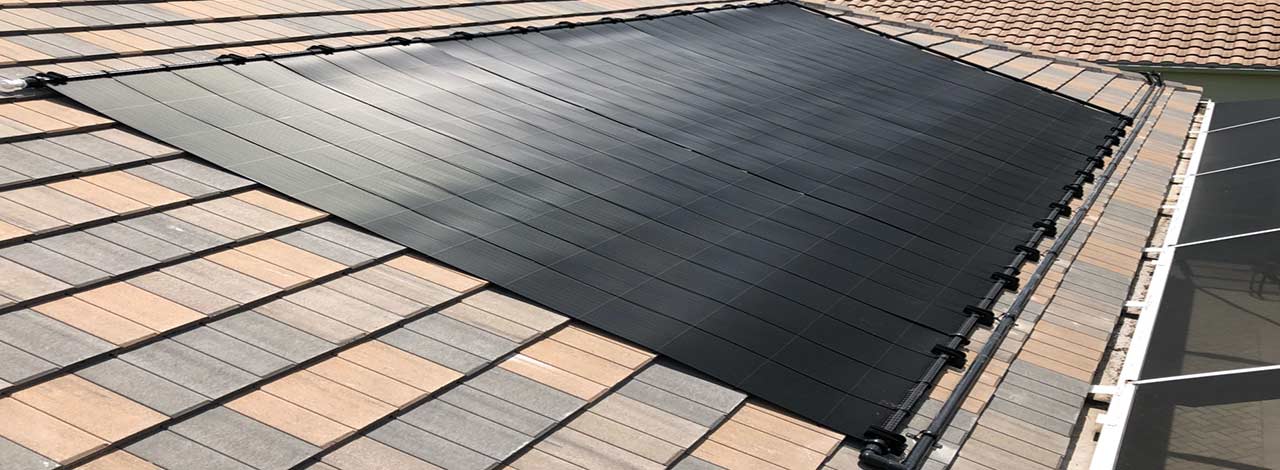
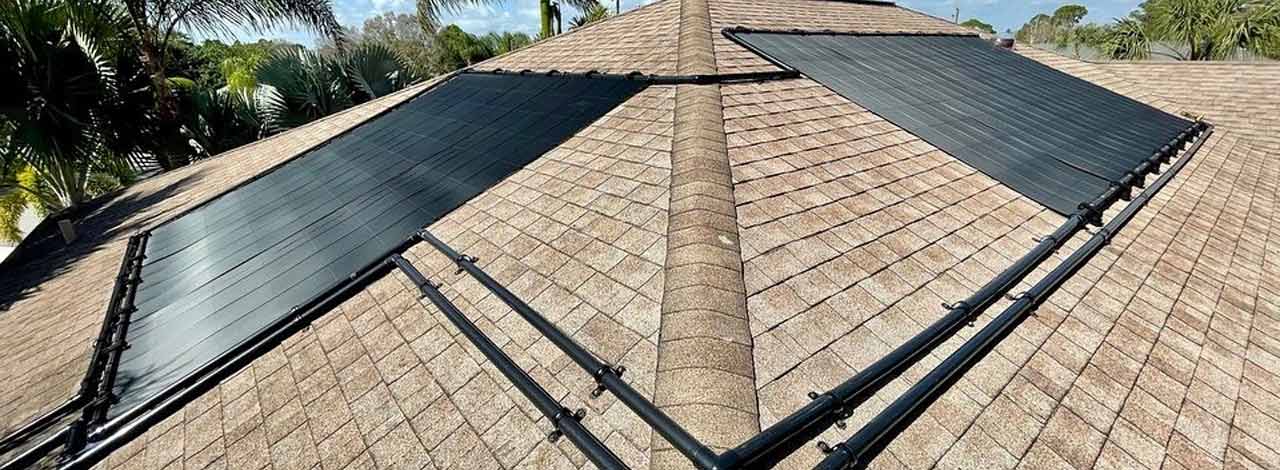
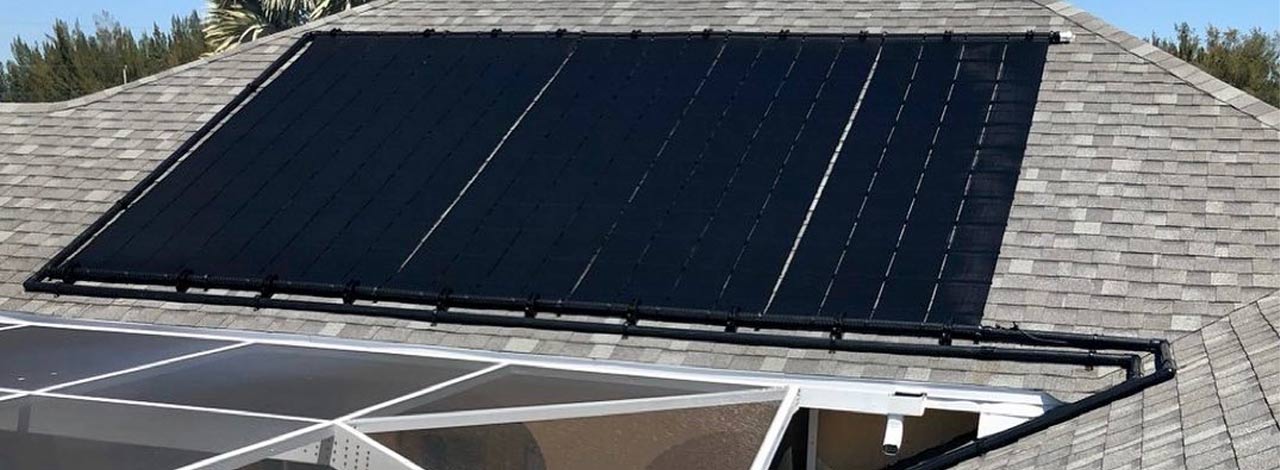
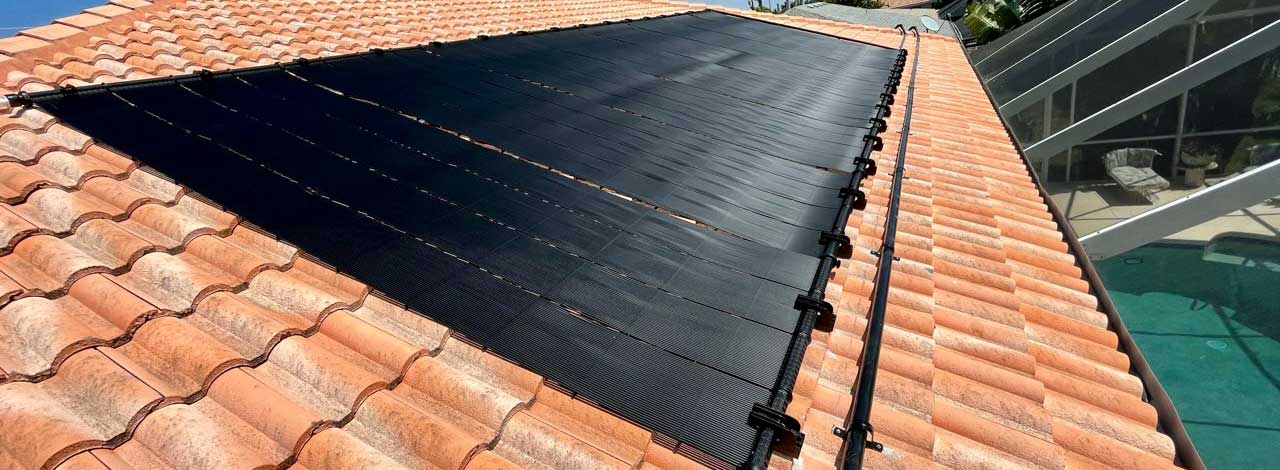
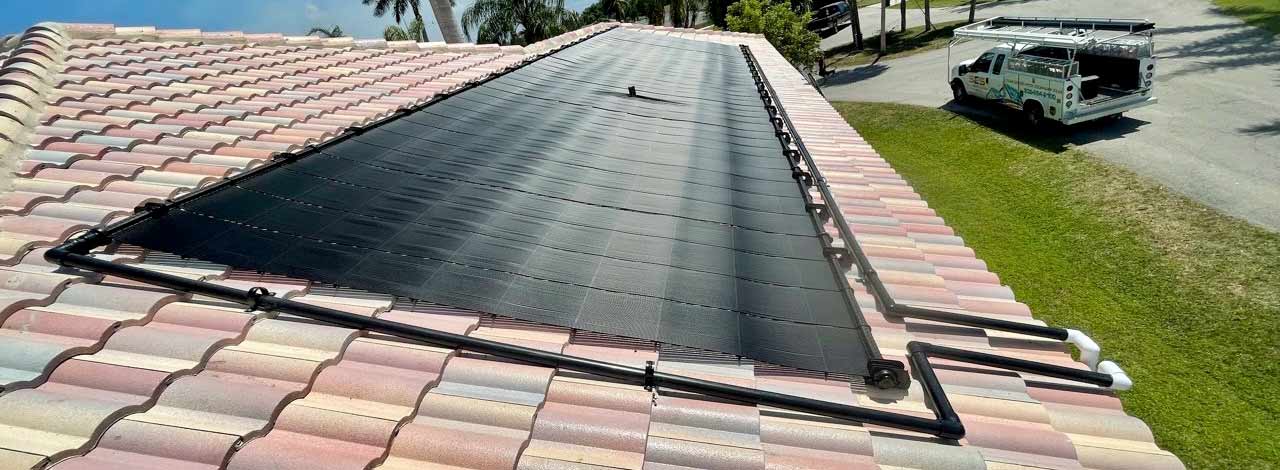
For many homeowners, mounting solar collectors on the roof provides the best results. Any roof with ample sun exposure and enough surface area can support the system. Ideally, the panels should face south, as this direction maximizes access to sunlight in most parts of the United States. However, a perfect southern orientation is not required. Panels installed up to 45 degrees east or west of true south usually experience only minimal decreases in energy production. This gives homeowners far more flexibility, especially if their roofline was not designed with solar efficiency in mind.
Tilt is an additional consideration. When panels are intended to heat a pool year-round or during cooler seasons, adjusting the tilt can make a noticeable difference. Installers commonly recommend tilting panels at an angle equal to the homeowner’s latitude plus an additional fifteen degrees for winter performance. In a state like Florida, where the latitude sits around twenty-seven degrees, many homeowners find that mounting panels directly onto a sloped roof is already effective because sunlight is abundant throughout the year and the climate remains relatively mild.
Before installation, it is important to confirm that the roof is structurally sound and not obstructed by tree cover, nearby buildings, or other shading sources. Even limited shade during key sunlight hours can reduce heat output.
Ground-Mounted and Alternative Placement Options
Not every home has a suitable roof, and in those cases, ground-mounted systems are a strong alternative. Homeowners often choose to mount solar panels near the pool pump, especially if the area receives full sun for most of the day. Ground-mounted racks allow greater control over orientation and tilt, making it easier to achieve the ideal solar exposure even if the home’s roof does not cooperate. These systems are also easier to access for cleaning, inspections, or repairs.
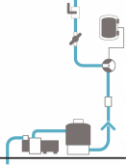
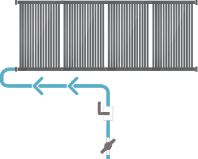
Distance from the pool equipment matters as well. When panels are positioned close to the pump and filter system, water moves through the system with less resistance. This efficiency can improve overall performance and reduce the amount of energy the pump must use to circulate water through the collectors. Although panels can be installed farther away when necessary, doing so may require adjustments to the pump or plumbing layout.
Climate and Regional Factors
Geography plays an important role in determining the most effective mounting strategy. Homeowners in warm, sunny climates generally need less aggressive tilt angles and can rely on simpler roof-parallel installations. In cooler regions, or in homes where winter heating is a priority, a more deliberate tilt and orientation strategy is often recommended. Because solar collectors depend heavily on direct sunlight, even small changes in placement can significantly influence heat output.
If you’re ready to explore your options or want expert input on the best configuration for your home, our team is here to help you design a system that maximizes efficiency and delivers reliable heating throughout the swimming season. Reach out today to get started.