two-col-stretch

Why WHY SOLAR POOL
HEATING?

The intense heat from the sun will always warm the water in your pool to a certain extent, and pool heating is one of the most efficient ways to ensure your pool is at the perfect temperature every time you swim. Whether it’s early spring or the middle of winter, a pool heater allows you to adjust your pool’s temperature based on how you like it. Solar pool heaters have a unique advantage over electric and gas heaters since they harness the sun’s energy instead of using costly fuel, so keeping your pool warm doesn’t have to break your bank. Utilizing a Solar Pool Heater will enhance the natural effect of the sun heating the water by using your existing pump, and you can trust that your pool will be heated in an environmentally friendly and highly cost-effective manner!

ProcessSolar Pool heating process

Get the best of the best with SunValue solar pool panels. Our distributer UMA Solar has over 40 years of experience in manufacturing solar collectors: fewer leaks, fewer roof penetrations, and a slim, lightweight design.

process-img-01
Step

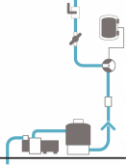
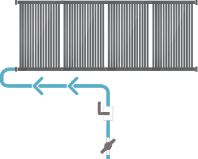
Using your existing pool pump, pool water is directed through a series of valves to your SunValue panels.

process-img-02
Step

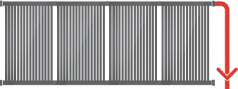
Pool water enters the SunValue panels at the bottom of the panel and rises to the top through individual tubes of the panel.

process-img-03
Step

As the water rises through the SunValue panel, it is heated by the sun’s radiant energy.

process-img-04
Step

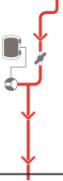
The water is returned to the pool to repeat the cycle until your pool has been warmed to your desired temperature.

WHY GO SOLAR BENEFITS OF SOLAR POOL HEATING

SYSTEM LIFESPAN

With fewer moving parts and cleaner operations, a solar pool heating system endures less wear and tear than a traditional heat pump. A solar heater can work for up to 15 years or more.

MORE COST-EFFICIENT

Solar panels use sunlight, which is free. Operating the pump in a solar heating setup requires much less energy than electric or gas heaters. According to the Department of Energy, a solar-heated pool pays for its installation costs over 1.5 to 7 years, depending on system size.

LONGER SWIMMING SEASONS

Since solar heat is less expensive to use than gas or electric heat, you can use it to warm up your swimming pool in colder months, extending your swimming season earlier in spring and later in autumn.

ENVIRONMENTALLY FRIENDLY

Solar energy is best known for being a clean alternative to traditional energy sources since it uses nothing but pure energy from the sun. With no fossil fuel or greenhouse gas emissions, a solar-heated pool helps reduce your home’s carbon footprint and is better for the health of the earth.

LOW MAINTENANCE

Since it’s incredibly reliable, runs cleanly, has fewer moving parts, and is made with durable materials, a solar pool heater requires very little upkeep. You’ll save a lot of time and effort.

QUIET OPERATING SYSTEM

Thanks to its simple machinery and efficiency, a solar heating system makes little to no noise to irritate you or your neighbors.

solar-panel-what
solar-panel-road
solar-panel-glass
solar-panel-rooftop
solar-panel-roof
solar-pool-1
solar-panel-2
solar-panel

How does a solar pool heater work?

Solar Pool Heating is a very straightforward process. Your pool water is pumped through a filter and delivered to the solar thermal collectors (the panels). The Pool Solar Panels collect the sun’s rays to heat the water and then return the water back to the pool.

There are checkpoints along this pathway. A check valve prevents pool water from flowing backward in the route, a three-way valve diverts the water either to the panels on the roof for heat or back to the pool if the goal temperature has been reached, and a sensor monitors the water’s heat to ensure it is returned to the pool at the right temperature.

Pool solar installation works as a single, complete unit and can also be used in combination with additional gas or electric heating sources.

Pairing the Right Pool Size to Solar Installation Standards

The popularity of pool solar solutions is on the rise, and for a good reason. Solar Pool Heating for pools is great for the environment, and it’s also a customized strategy for those who always want to have sustainable control over water temperature.

Ultimately, a Solar Pool Heater can be fitted to a pool of any size. The general rule of thumb is that the square footage of the installed solar panel collector should be as close as possible to the total square footage of the pool.

That said, solar for pools is very dependent on the average climate and the desired heat levels to be maintained. Pools with larger dimensions will inevitably require more and likely larger solar panels than those needed for a smaller pool.

If you’re interested in pool solar options, it’s essential to consider how many months out of the year that you use your pool. Pools that remain open for the entire year will require larger solar collectors. If your pools open seasonally, you can likely outfit it with smaller panels.

The general recommendation by the Department of Energy is that the solar collector is between 50% and 100% of the pool’s total surface square footage. That means if a pool has dimensions of 15 feet x 20 feet, the solar collector used to generate energy needs to be between 150 and 300 square feet in size.

The Logistics of Mounting Pool Solar Panels

Incorporating a solar pool heater into your outdoor recreation space is one of the most cost-effective and environmentally friendly ways to extend your swimming season. Once you’ve decided to move forward with solar energy, the next major step is determining where and how to mount solar panels for the best performance. Proper placement directly influences how much heat your system can generate, how efficiently it operates, and how long it lasts.

Below, we break down the key logistics homeowners should understand before installation. This includes roof options, ground mounting, tilt angles, sunlight exposure, and regional considerations.

Why Proper Placement Matters

Solar pool heaters operate by capturing heat from the sun and transferring it into your pool’s circulating water. Because their effectiveness depends almost entirely on sunlight exposure, placement becomes a central factor in determining how successful the system will be. Strategic positioning can raise your pool temperature noticeably, reduce the need for traditional heating methods, and allow you to swim comfortably across more months of the year. When panels are placed where they receive strong, consistent sunlight during peak hours, the system requires less effort, experiences less wear, and ultimately performs more efficiently.

Roof-Mounted Systems and Their Advantages

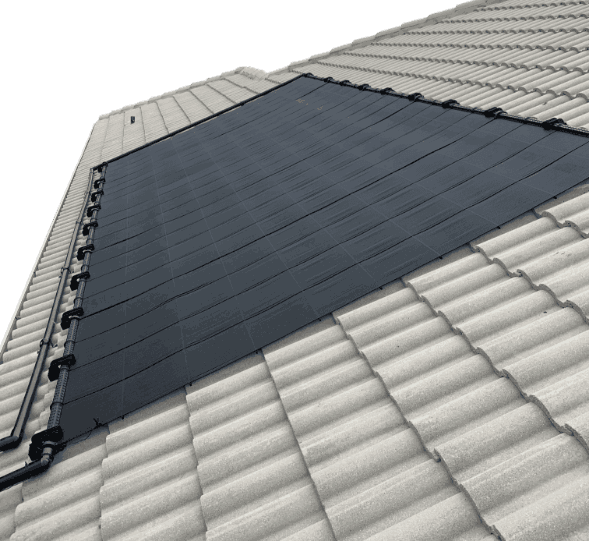
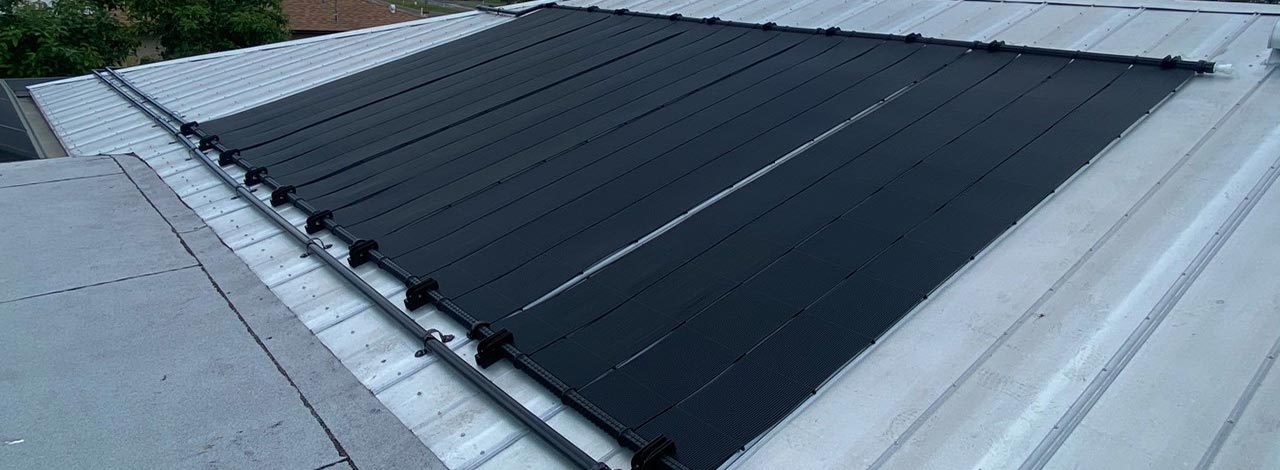
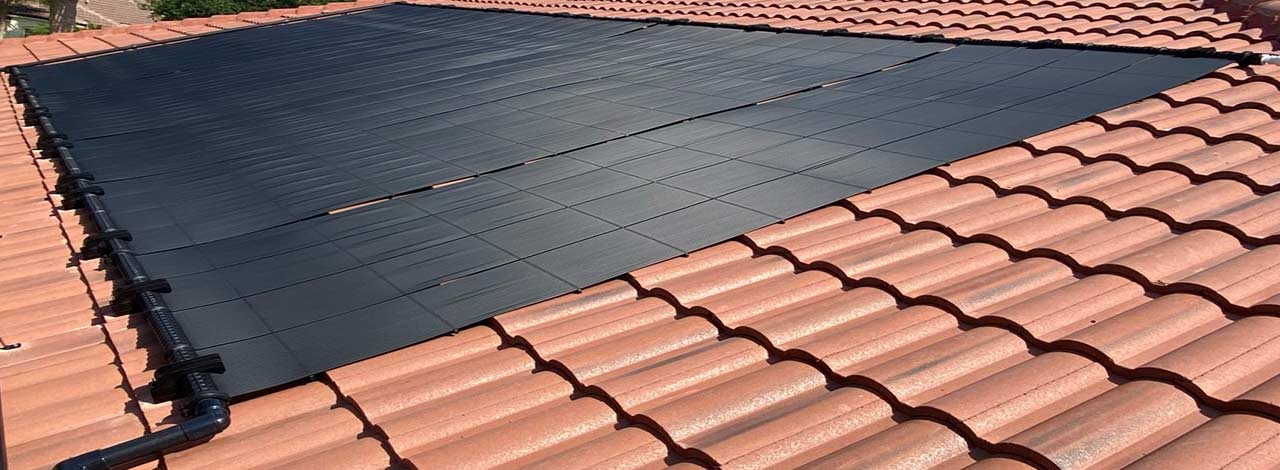
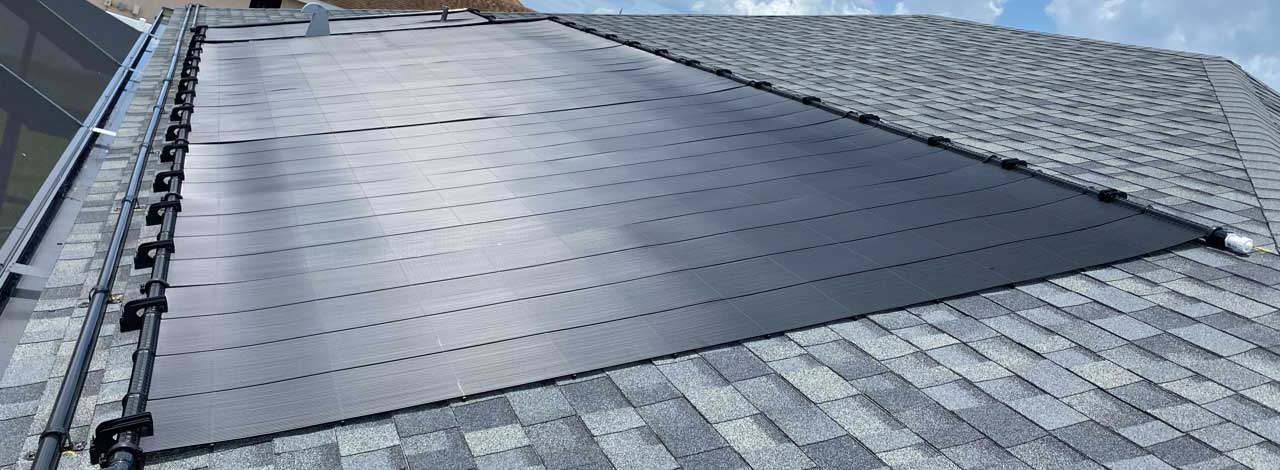
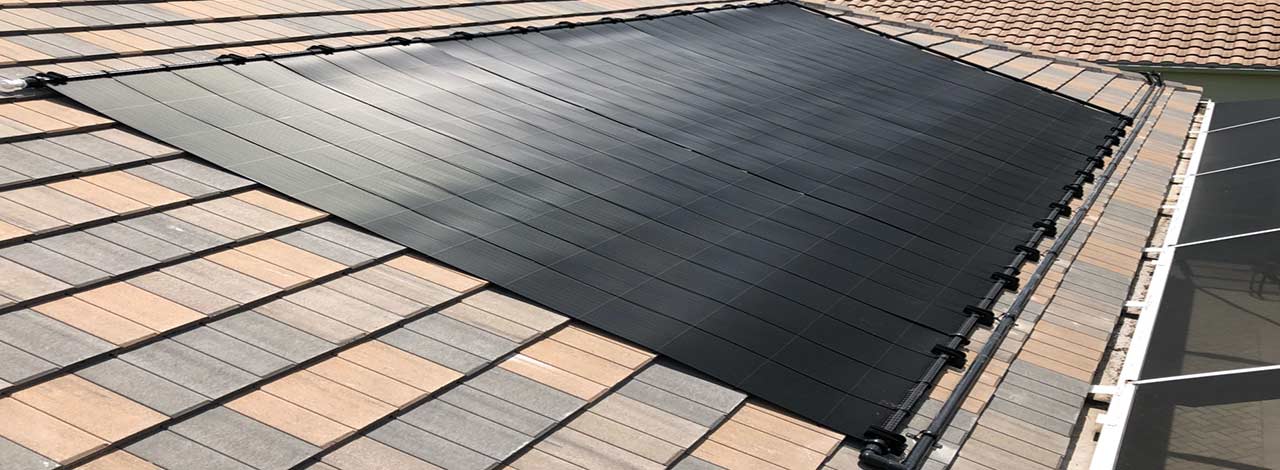
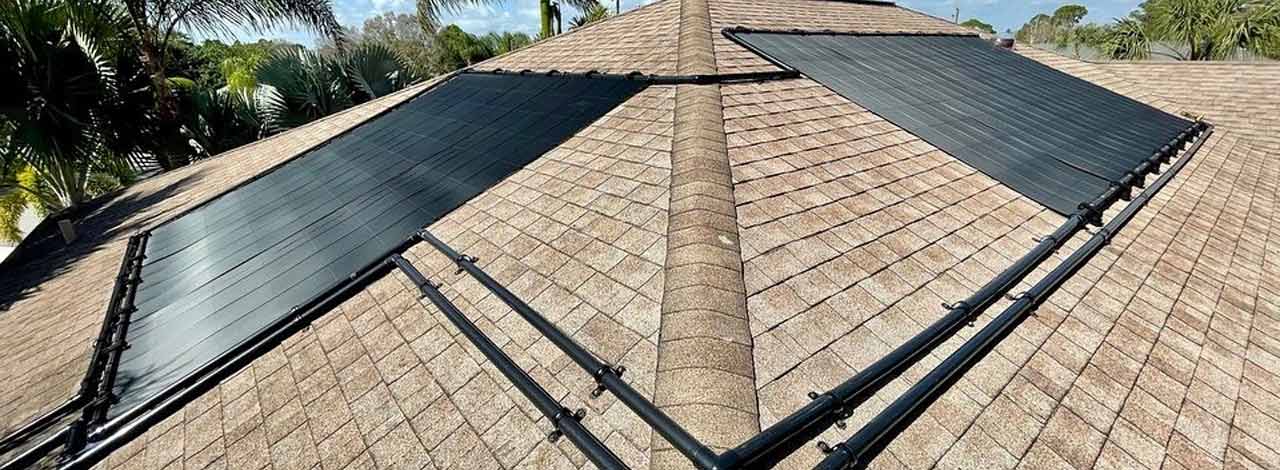
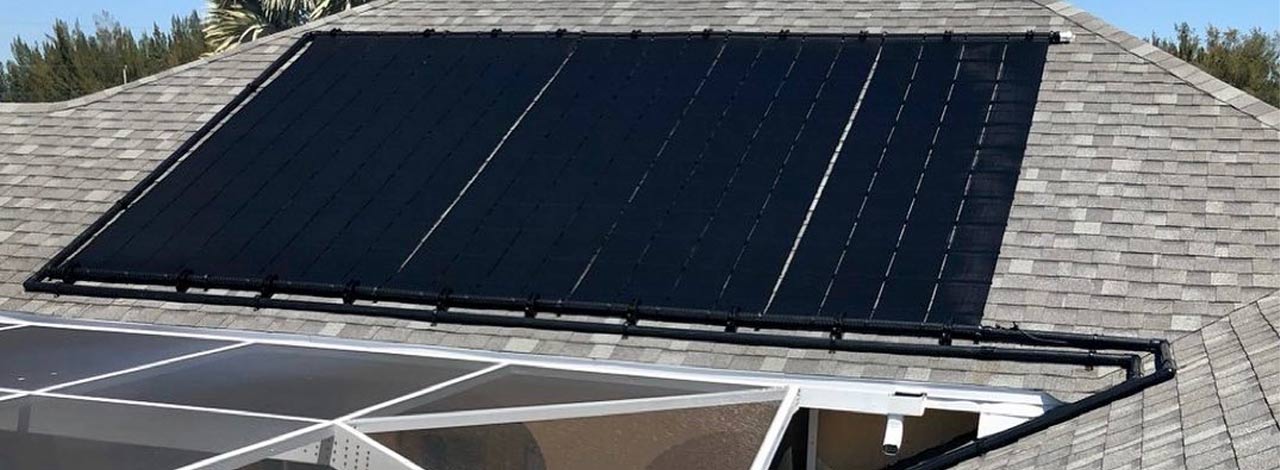
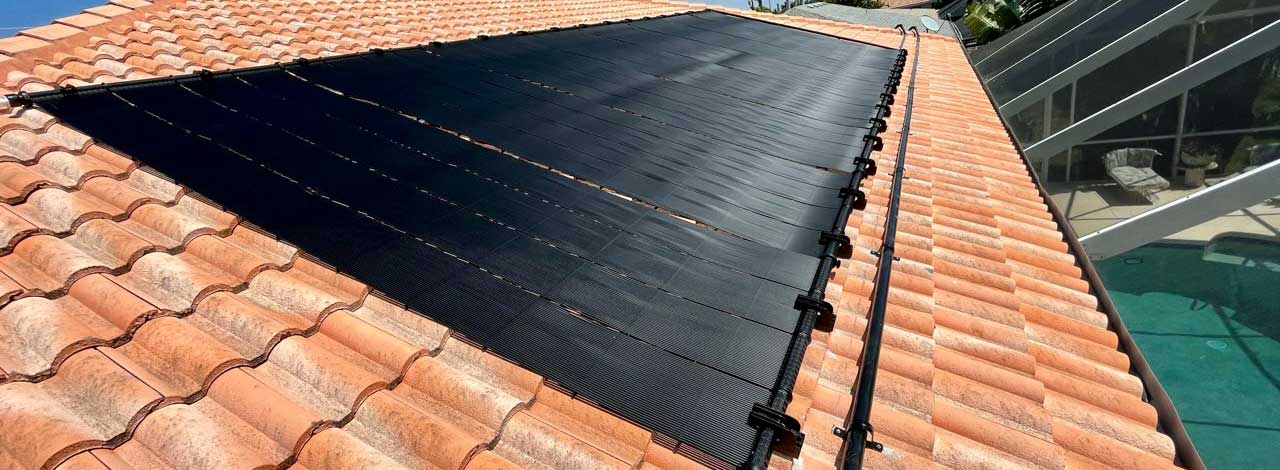
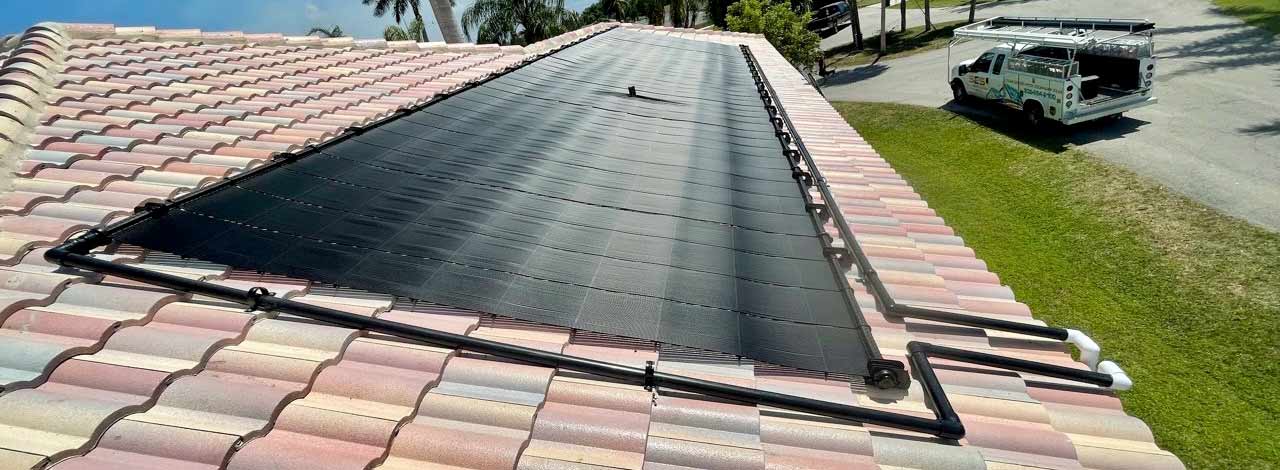
For many homeowners, mounting solar collectors on the roof provides the best results. Any roof with ample sun exposure and enough surface area can support the system. Ideally, the panels should face south, as this direction maximizes access to sunlight in most parts of the United States. However, a perfect southern orientation is not required. Panels installed up to 45 degrees east or west of true south usually experience only minimal decreases in energy production. This gives homeowners far more flexibility, especially if their roofline was not designed with solar efficiency in mind.

Tilt is an additional consideration. When panels are intended to heat a pool year-round or during cooler seasons, adjusting the tilt can make a noticeable difference. Installers commonly recommend tilting panels at an angle equal to the homeowner’s latitude plus an additional fifteen degrees for winter performance. In a state like Florida, where the latitude sits around twenty-seven degrees, many homeowners find that mounting panels directly onto a sloped roof is already effective because sunlight is abundant throughout the year and the climate remains relatively mild.

Before installation, it is important to confirm that the roof is structurally sound and not obstructed by tree cover, nearby buildings, or other shading sources. Even limited shade during key sunlight hours can reduce heat output.

Ground-Mounted and Alternative Placement Options

Not every home has a suitable roof, and in those cases, ground-mounted systems are a strong alternative. Homeowners often choose to mount solar panels near the pool pump, especially if the area receives full sun for most of the day. Ground-mounted racks allow greater control over orientation and tilt, making it easier to achieve the ideal solar exposure even if the home’s roof does not cooperate. These systems are also easier to access for cleaning, inspections, or repairs.

Distance from the pool equipment matters as well. When panels are positioned close to the pump and filter system, water moves through the system with less resistance. This efficiency can improve overall performance and reduce the amount of energy the pump must use to circulate water through the collectors. Although panels can be installed farther away when necessary, doing so may require adjustments to the pump or plumbing layout.

Climate and Regional Factors

Geography plays an important role in determining the most effective mounting strategy. Homeowners in warm, sunny climates generally need less aggressive tilt angles and can rely on simpler roof-parallel installations. In cooler regions, or in homes where winter heating is a priority, a more deliberate tilt and orientation strategy is often recommended. Because solar collectors depend heavily on direct sunlight, even small changes in placement can significantly influence heat output.

If you’re ready to explore your options or want expert input on the best configuration for your home, our team is here to help you design a system that maximizes efficiency and delivers reliable heating throughout the swimming season. Reach out today to get started.

Using a Solar Pool Cover to Maximize Energy Savings

When it comes to heating your pool efficiently, a solar pool cover is a small yet powerful addition that can make a significant difference. By using solar energy to retain heat, they not only reduce your energy costs but also contribute to extending the swimming season.

How Solar Pool Covers Work

Solar pool covers work by absorbing thermal energy from the sun and directly transferring that heat to your pool's surface. The surface of the pool is where the most heat is generally lost due to evaporation. By preventing evaporation, the cover helps retain the sun's heat, ensuring your pool stays warmer for longer without the need for gas or propane heating systems.

This innovative feature significantly reduces heat loss and increases the efficiency of your pool’s heating system. The solar cover essentially acts as a thermal blanket, creating a barrier that minimizes heat loss and keeps the pool water warm. Coupled with electric heaters, this process helps your pool to maintain its temperature longer, even during cooler nights.

Benefits of Solar Pool Covers

Using a solar pool cover brings numerous benefits, not only in terms of heating but also in terms of overall pool maintenance and cost savings:

  • Energy Savings: A solar cover can increase your pool’s water temperature by as much as 15 degrees Fahrenheit. This means you won’t have to rely on gas or propane heaters, which can be costly. Many pool owners report savings of 50% to 70% in heating costs after using a solar pool cover.
  • Reduced Chemical Usage: By preventing evaporation, solar covers also help retain pool chemicals, meaning you’ll need fewer chemicals to maintain the pool's cleanliness. This is both eco-friendly and cost-effective.
  • Extended Swimming Season: With the added warmth from the solar cover, your pool’s water remains comfortable even in cooler months, allowing you to enjoy swimming for a longer period each year.
  • Decreased Maintenance Costs: As the cover reduces evaporation, you’ll also have less debris and dirt entering the pool, making it easier to maintain. Additionally, the cover reduces the wear and tear on your pool’s filtration system, resulting in fewer filter maintenance needs.

The Effectiveness of Solar Covers for Different Pool Types

Solar pool covers are highly effective regardless of the type of pool you have, whether above-ground or in-ground. They offer similar benefits for both types of pools, including substantial savings in heating costs and enhanced temperature control.

While solar covers are most effective in sunny regions, their performance can still provide noticeable improvements even in areas with less consistent sunlight. The key is to use them regularly and ensure they’re properly placed to maximize their heat-retaining properties.

How to Maximize the Benefits of a Solar Pool Cover

To get the most out of your solar pool cover, make sure to:

  • Use the cover consistently: Place the cover on your pool when not in use, especially during the cooler evenings or nights.
  • Ensure proper fit: The cover should fit your pool snugly to prevent heat loss around the edges.
  • Store properly: When the cover is not in use, store it in a cool, dry place to avoid damage.

With these simple steps, your solar cover will keep your pool at the perfect temperature for longer, while reducing your overall heating and maintenance costs.

Start Saving on Pool Heating Costs Today!

Investing in a solar pool cover is an affordable and effective way to make your pool more energy-efficient, saving you money on heating and chemical maintenance. For more information on solar pool covers and how they can benefit you, reach out to a trusted supplier today and get expert advice tailored to your needs.

What to consider before pool solar installation

When deciding whether to have a solar pool heater installed, it's essential to examine a few factors to determine the system you need.:

  • How much sun do you get?
  • Solar heating systems rely on the sun; therefore, your pool site needs to have enough unshaded area on the roof and a southern, western, or eastern exposure to supply the necessary resources. Solar for pools uses direct sunlight and ambient air temperature to heat your pool.

  • What size system is right for you?
  • Solar collectors should take up a size equal to 100 percent of your pool's surface area to acquire even heating. How much space you can devote to solar panels also depends on whether you want to use your pool year-round or just during a regular swimming season. Your contractor can advise you on the system size that best suits your needs.

  • How much money can a solar heater save?
  • Calculate how much it will cost to use solar heat with information about your collector's BTU rating, how many panels or pipes you'll use, and total installation costs. Remember that your installation costs will be offset more quickly with solar energy than with other sources.

  • What local laws or regulations affect solar installation?
  • our city, municipality, or building association may have specific codes or covenants regulating solar power installation, such as maximum roof loads, wiring regulations, equipment standards, zoning issues, or other requirements. Check with the appropriate authorities overseeing your area. Florida is a "right to the sun state," so no HOA or anyone for that matter can deny you solar on your home.

  • How reliable is your solar energy installer?
  • The company that installs your pool's solar heating setup should have a current and valid business license, an established track record of superior work, experience with multiple solar configurations, and a strong reputation in the community.

  • How extensive is your solar system’s warranty?
  • Your installer should have a solid warranty policy to back up your solar heating system's performance, maintenance, and durability.

Solar Energy Solutions of America has extensive experience in providing solar solutions for Southwest Florida. Our 12-year pool solar warranty, veteran ownership, and track record of success are reasons why customers depend on us to bring the clean power of solar energy to their swimming pool heaters. Contact us for a free estimate and to find out more.

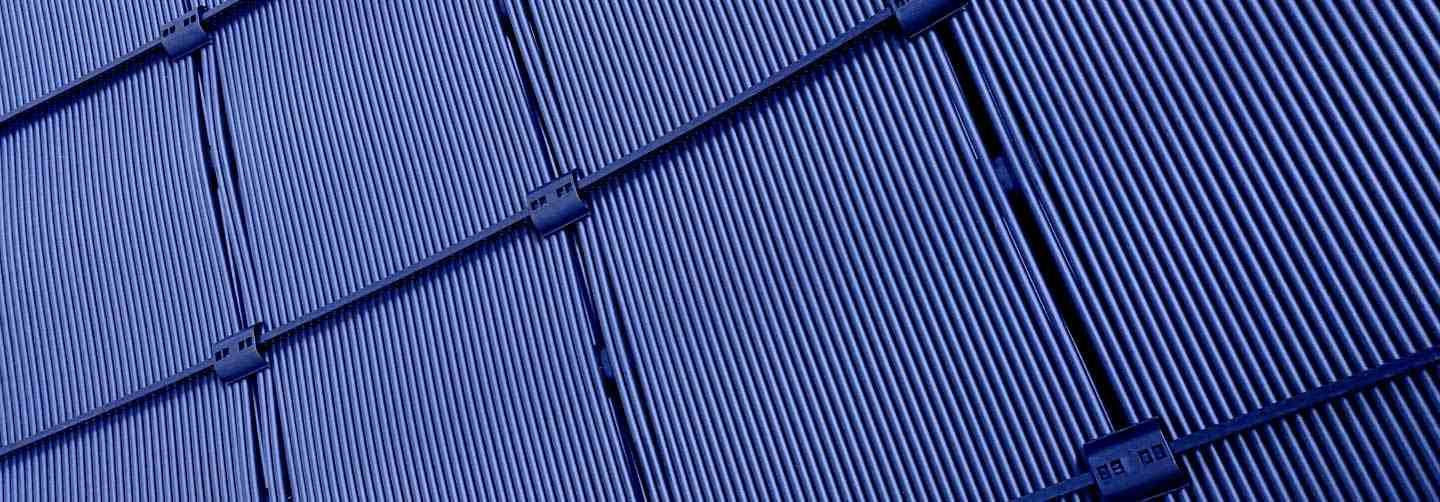
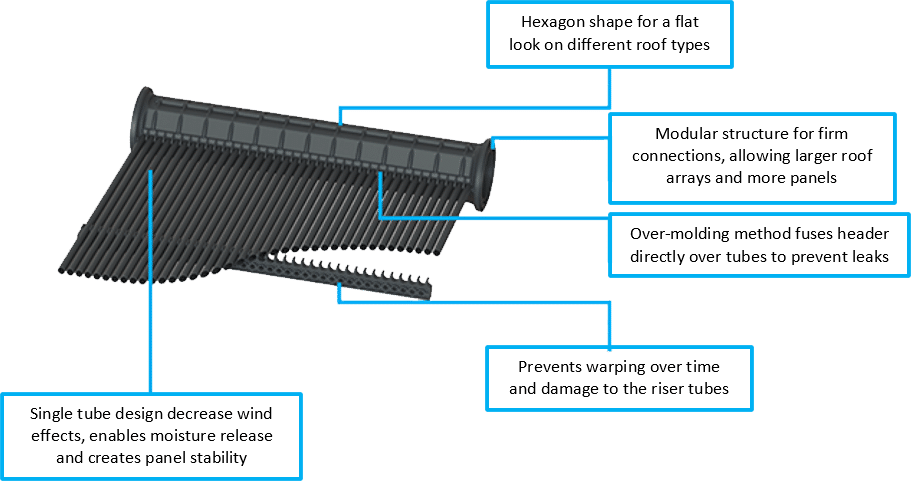
A close up look of Our Sunvalue Panels

panels-info-img
frame-media

Warranty SES OF AMERICA OFFERS THE BEST WARRANTY

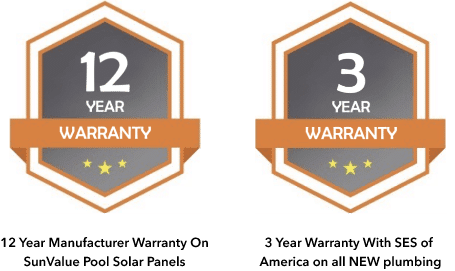
Our warranty is the best in the industry because SES of America is here to make sure you get quality performance. Our panels are backed by a 12-Year Manufacturer Warranty and a 3-Year Plumbing Warranty, considering all components are being used appropriately.

control-temp-img

AUTOMATIONCONTROL YOUR TEMPERATURE WITH ONE TOUCH OF A BUTTON!

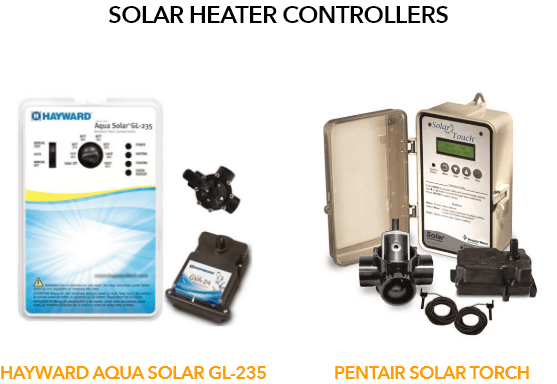
Make the most of Solar Pool Heating with an Automation Unit. We can install an Automation unit strictly for the solar pool heater or tie the solar pool heater into your existing pool/spa automation if applicable. This is a digital thermostat that allows you to control the most precise temperature between your pool water and solar collectors. If the sun is effectively heating your pool, the Automation Controller opens a valve and sends filtered water to the collectors. If the temperature drops, the valve will shut to keep cold water out of your pool. It’s a no-brainer!

Contact Us