
How To Clean Solar Panels On The Roof Automatically: A Complete Guide
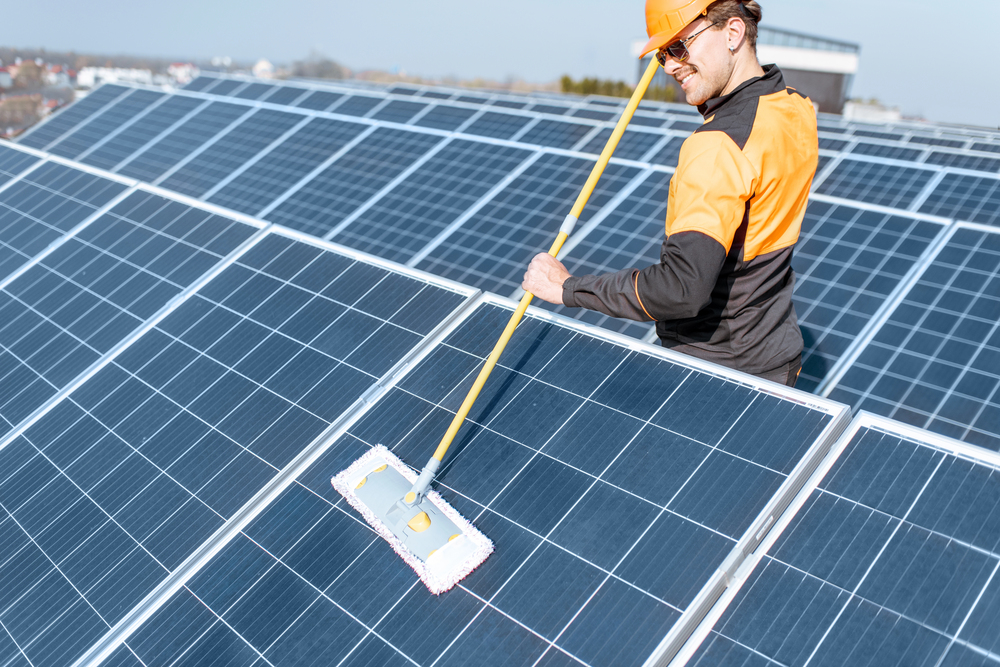
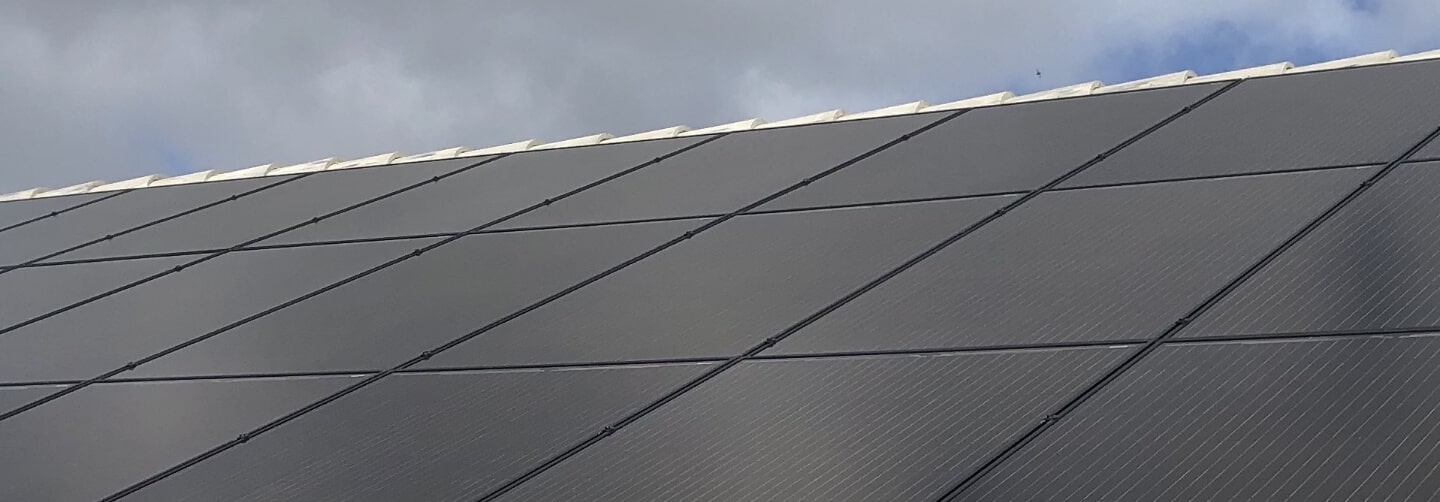
Solar panels work best when sunlight reaches the surface without obstruction. Over time, airborne dust, pollen, and residue can settle on rooftop systems and affect output. This is why homeowners often search for how to clean solar panels on the roof automatically without stepping onto the roof themselves. Automation sounds appealing because it promises convenience and safety. Understanding what automated cleaning can realistically achieve helps you decide what approach protects both performance and peace of mind.
Why Homeowners Look for Automatic Solar Panel Cleaning
Safety concerns often drive the search for alternatives to manual roof access. Steep slopes, multi-level homes, and slick surfaces increase the risk of falls during routine upkeep. Daily schedules also make it difficult to clean panels as often as conditions may require. Automatic cleaning methods appear to offer consistency without physical strain. The motivation usually centers on maintaining steady energy output while minimizing personal risk.
How to Clean Solar Panels on the Roof Automatically With Today’s Options
Several technologies exist that support automated panel cleaning under specific conditions. Some systems rely on scheduled water rinses to remove loose dust from the surface. Mechanical devices may travel across panels using soft contact to sweep away debris. Surface treatments can also reduce buildup by allowing particles to slide off more easily over time. Results vary based on roof design, debris type, and climate, which is why system evaluation plays a meaningful role before choosing any option.
What Automatic Cleaning Systems Can and Cannot Do
Light airborne dust responds well to automated methods when conditions are favorable. Heavier materials like bird droppings or sticky residue tend to remain without targeted attention. Water-based systems depend on adequate supply and proper pressure control to function safely. Moving components must also be aligned correctly to avoid uneven cleaning. Knowing these limits helps set clear expectations and prevents avoidable performance loss.
Safety and System Risks With DIY Automatic Cleaning Setups
Rooftop solar installations include electrical wiring, mounting hardware, and sealed roof penetrations. Improper equipment placement or excessive water pressure may affect these sensitive areas. Added devices that are not matched to the panel design can interfere with frames or mounts. Set up often still requires roof access, which introduces fall risk. Professional handling reduces these concerns while protecting the integrity of the system.
When Professional Solar Panel Cleaning Makes More Sense
Reliable results often come from combining automation goals with expert oversight. Roof angle, panel spacing, and local debris patterns influence how well any cleaning approach performs. Professional service accounts for these factors before recommending a solution. This approach supports long term output while preserving warranties and system health. For homeowners seeking consistent results without hands-on effort, expert cleaning becomes a practical extension of automation.
Turning Automation Ideas into Reliable Solar Care
Automatic cleaning methods can support solar performance when they are chosen carefully and applied with the right expectations. Each option discussed comes with limits tied to roof design, debris type, and long-term system protection. This is where Solar Energy Solutions of America can step in to help. We provide professional solar panel cleaning services that remove stubborn buildup safely while protecting your panels, wiring, and roof surface. Our team also supports broader system care, including inspections and performance-focused service, so your solar investment continues to deliver reliable output without guesswork.
Talk with our team about solar panel cleaning and system care that fits your roof and usage. Active guidance helps maintain performance without added risk.