


How Hot Do Solar Panels Get? What You Should Know
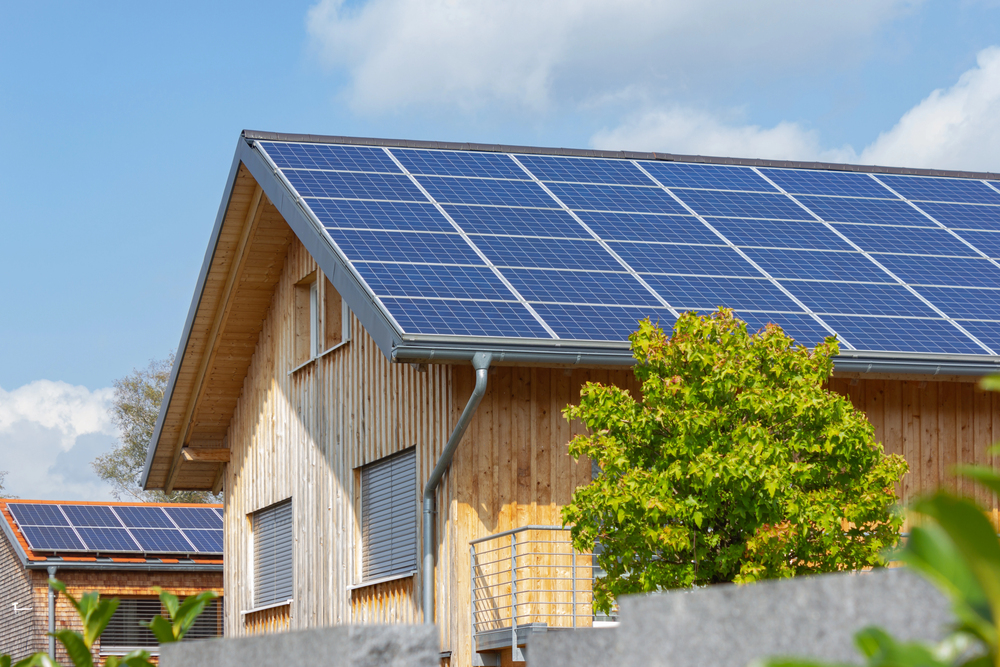
Solar energy sparks curiosity, especially when Florida heat becomes part of the conversation. Homeowners often ask how hot solar panels get because rooftop systems sit under direct sunlight for hours each day. Understanding panel temperature helps set realistic expectations about performance, safety, and long-term reliability. Heat does affect how solar equipment behaves, yet it does not mean systems struggle or fail during warmer months. Clear information allows you to feel confident about solar decisions without second-guessing how your system responds to summer conditions.
How Hot Do Solar Panels Get During Normal Operation?
Solar panels operate at temperatures higher than the surrounding air during everyday use. On a mild day with outdoor temperatures around seventy five degrees Fahrenheit, panel surfaces often rise well above that level once sunlight hits the glass. Direct sun exposure can push surface temperatures into the range of one hundred twenty to one hundred fifty degrees Fahrenheit. Hotter climates and clear skies can raise that number even further during peak afternoon hours. This difference surprises homeowners because panels continue producing power while feeling very hot to the touch.
Heat levels change throughout the day and do not stay constant from morning to evening. Early hours usually bring cooler panel surfaces as airflow and lower sun angles limit heat buildup. Midday conditions combine stronger sunlight with warmer air, which causes the highest surface readings. Late afternoon often brings slight relief as the sun lowers and breezes increase during typical summer conditions across sunny regions like Florida homes statewide. These patterns explain how hot solar panels get without suggesting that high temperatures stop energy production.
Why Solar Panels Heat Up in the First Place
Sunlight striking a rooftop system carries energy that does not fully convert into electricity across clear summer skies. Photovoltaic cells transform part of that energy into usable power while the remaining portion becomes heat trapped within the panel layers. Dark surfaces absorb radiation more readily than lighter materials, which raises surface temperature under direct exposure. Glass coverings protect the cells yet limit rapid heat release during calm conditions with limited airflow. These physical traits explain why surface temperatures climb even on days that feel comfortable around coastal homes.
Ambient air temperature plays a supporting role rather than acting alone in warm climates. Roof mounting styles influence airflow beneath the panels, which affects how quickly warmth can dissipate around typical homes. Low wind days allow heat to linger longer on the surface, especially during midday sun angles across long summer afternoons. Seasonal weather patterns, roof materials, and spacing from the roof deck all contribute to heat behavior in sunny regions. Together, these factors shape temperature levels without indicating a problem in system design for residential installations.
How Heat Affects Solar Panel Performance and Output
Rising surface temperature influences how efficiently photovoltaic cells convert sunlight into electricity during peak sun hours each summer season. Electrical components respond differently as internal resistance increases with warmth inside the panel circuitry. Power output gradually declines as temperatures move above the standard testing reference used by manufacturers during laboratory evaluations. Most modern panels lose a small percentage of efficiency for each degree above that benchmark in hot conditions. This change explains why production may dip slightly on very hot afternoons despite strong sunlight levels.
Short-term output changes do not signal damage or failure within a properly designed system that meets modern installation standards. Energy production still occurs even when temperatures climb, which supports steady daily generation across warm regions throughout the year. Seasonal monitoring often shows higher output in summer overall due to longer daylight hours and clearer sky conditions. Cooler mornings and late afternoons help balance midday efficiency shifts during typical residential energy use patterns. Understanding these patterns helps set realistic expectations for solar performance across changing weather conditions throughout the year.
Do High Temperatures Damage Solar Panels Over Time?
Long term exposure to heat raises understandable concerns about durability for homeowners considering rooftop solar. Modern panels are built to operate within wide temperature ranges that exceed typical outdoor conditions found across sunny regions. Materials used in photovoltaic construction tolerate repeated heating and cooling cycles without cracking or warping under normal use. Issues usually appear only when external factors such as heavy debris, shading, or damaged wiring create localized hot spots on the surface. Routine inspections and proper installation help panels maintain stable performance over decades of daily exposure to sun, humidity, seasonal storms, and temperature swings that occur throughout the year without affecting structural integrity or electrical safety for typical residential and commercial systems.
What Helps Solar Panels Manage Heat More Effectively
Thoughtful system design plays a major role in how rooftop arrays release warmth during long hours of direct sun exposure on residential properties over time and seasons. Adequate spacing between the roof surface and the panels allows air to circulate and carry heat away naturally across typical home layouts in Florida regions. Mounting methods, roof materials, and regional wind patterns influence how quickly temperatures stabilize throughout the day during seasonal changes each year. Panel selection also matters since modern designs are built to perform reliably under higher operating temperatures in warm climates without issue. Proper planning during installation supports consistent airflow and balanced heat behavior without requiring additional mechanical cooling systems for homeowners in the long term.
Understanding Solar Heat With Confidence and Support You Can Trust
Clear expectations make solar ownership more comfortable, especially in warm climates where rooftop systems face daily sun exposure. Panel temperatures often rise well above outdoor air levels, yet modern designs account for that reality without sacrificing safety or long-term reliability. Efficiency may shift slightly during peak heat, though energy production continues throughout the day. Installation methods, airflow, and system design all influence how heat behaves on your roof. Knowing these factors helps you view summer performance as a normal part of solar operation rather than a concern.
Guidance from a local solar team can make a real difference when planning or upgrading a system. At Solar Energy Solutions of America, we design residential and small commercial photovoltaic systems with Florida conditions in mind. Our services also include solar attic fans and solar pool heating, which support comfort and efficiency while working alongside your solar investment. Every project is handled in-house by our experienced team to support consistent quality from planning through installation.
Reach out today to talk with us about your solar goals and discover solutions designed for your home and lifestyle.