Are Solar Panels A Fire Hazard? Here’s What You Need To Know
Thinking about adding solar to your home often comes with safety questions, and fire risk is usually one of the first concerns that comes to mind. You want clear answers before making a long-term decision that affects your roof, wiring, and daily comfort. When people ask whether solar panels are a fire hazard, the concern makes sense and deserves a straightforward response. Questions like this are common when evaluating any electrical upgrade. This article walks you through real safety considerations, common misconceptions, and what actually influences fire risk with solar systems.
Are Solar Panels a Fire Hazard?
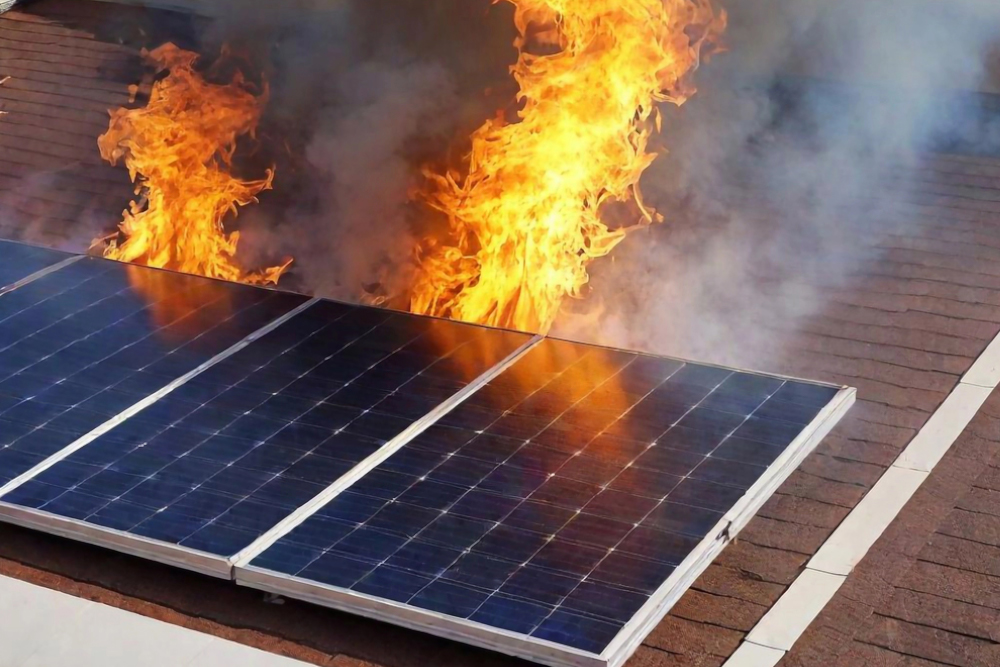
The short answer is that solar systems have a very low fire risk when they are designed and installed correctly, which often surprises people who are researching solar for the first time. Large-scale studies and safety reviews show that fires linked to solar installations are rare and represent a small fraction of residential electrical incidents. In most documented cases, the source of the problem is not the panel itself but an issue somewhere else in the electrical system. Solar panels are passive components that do not spark, burn fuel, or generate heat in a way that leads to ignition under normal conditions. Understanding this distinction helps you separate the idea of solar as an energy source from the quality of how a system is installed and maintained.
What Causes the Rare Solar-Related Fires
In nearly every documented case, the trigger behind a solar-related fire traces back to electrical issues rather than the panels themselves. Loose wiring connections can create resistance that builds heat over time inside junction boxes or conduits. Poorly crimped connectors and mismatched components may allow electrical arcing, which can damage insulation and nearby materials. Aging or defective inverters have also been linked to incidents when internal components overheat without proper protection.
Installation shortcuts increase risk when wiring is not secured, labeled, or protected according to code. Moisture intrusion can worsen these problems by accelerating corrosion in exposed connections. Damage caused by animals, roof work, or weather events may go unnoticed and slowly compromise wiring integrity. These situations remain uncommon, yet they explain why quality workmanship and proper system design play a major role in keeping solar installations safe. Awareness during planning and inspection helps reduce these rare scenarios further.
Installation Quality and Code Compliance Matter More Than Equipment
Fire safety in any solar project depends heavily on how the system is installed and whether local electrical codes are followed from design through final inspection. Permits, inspections, and code requirements exist to manage heat, wiring routes, grounding, and disconnect access so electrical faults are identified before a system is energized. When installations skip steps or rush timelines, small mistakes such as loose connections or improper wire sizing can increase resistance and heat buildup over time.
Code-compliant installations reduce these risks by requiring tested materials, proper spacing, secure mounting, and clear labeling that supports safe operation and future service. These standards are not red tape but practical safeguards that protect your home by catching problems early and confirming the system meets safety expectations during permitting reviews and final approvals conducted by trained inspectors before activation and long-term operation on residential rooftops across varied conditions and climates nationwide today.
How Modern Solar Systems Are Designed With Fire Safety in Mind
Safety is built into today’s solar technology through multiple layers of protection that work together once a system is installed. Electrical components are designed to manage current flow and reduce heat buildup during normal operation. Rapid shutdown requirements allow voltage levels to drop quickly when power is cut, which limits electrical exposure during emergencies or maintenance. Grounding systems help redirect stray electrical energy away from critical areas of the home. Continuous monitoring features can also detect irregular performance before it develops into a larger issue.
System layout and component placement also play a key role in lowering fire risk over time. Wiring pathways are planned to avoid sharp edges, excessive heat, and areas where movement could cause wear. Connectors and junction boxes are rated for outdoor exposure and temperature changes common on rooftops. Protective enclosures shield sensitive parts from moisture and debris. Together, these design choices support stable operation and help solar systems perform safely under daily conditions.
What Homeowners Can Do to Minimize Fire Risk
Your choices play a major role in how safe a solar installation remains over time. Selecting qualified professionals who follow electrical codes helps reduce the chance of hidden issues developing after installation. Quality components matter because well-built wiring and connectors are designed to handle heat and weather exposure more reliably. Periodic system checks can help catch loose connections or wear before they turn into problems. Keeping records of permits and inspections also supports safer future roof or electrical work. When you stay informed and ask questions during the planning stage, you place yourself in a stronger position to protect both your property and your peace of mind.
Peace of Mind Starts With the Right Solar Choices
Fire risk concerns around solar often come down to understanding where problems actually begin and how they are prevented. Modern solar systems are designed with multiple safety layers, and real-world data shows that issues remain rare when installations follow proper standards. Electrical details, installation quality, and ongoing care all influence long-term performance more than the panels themselves. When you know what factors matter, it becomes easier to evaluate solar options with clarity instead of uncertainty. Safety is not about avoiding solar but about approaching it with informed expectations and responsible planning.
At Solar Energy Solutions of America, we take those safety considerations seriously from the first conversation through final inspection. All of our residential and small commercial photovoltaic solar systems are designed, installed, and serviced in-house by our own team. We also offer solar pool heating, solar attic fans, and pool equipment solutions that follow the same safety approach. Our process emphasizes proper permitting, code compliance, and quality components to support reliable performance over time.
If you have questions about solar safety or want to explore options for your property, reach out to us today. We are here to help you move forward with confidence.