Can You Walk On Solar Panels? What Homeowners Should Know
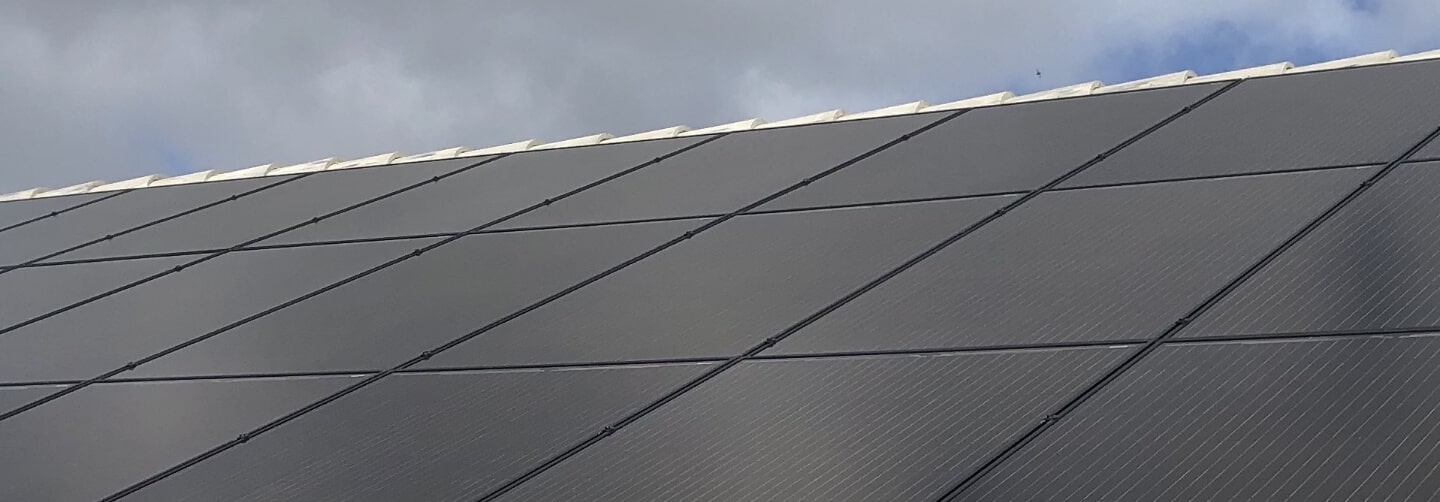
Curiosity often comes up once solar panels are part of your roof. You may look at their sturdy surface and start wondering if you can walk on solar panels during cleaning, inspections, or other roof work. That question is completely reasonable because panels appear solid and permanently fixed in place. We hear it often from people who want to take good care of their home without causing damage. Knowing how panels respond to weight, why access matters, and what risks exist helps you make safer decisions while protecting your solar investment.
Are Solar Panels Designed to Be Walked On?
Solar panels are engineered to handle outdoor forces, yet that does not mean they are intended for foot traffic. Most residential panels are built to withstand wind pressure, hail impact, and the weight of accumulated snow over time. Those forces spread across the entire surface instead of concentrating in one small area. A human step places focused pressure on a limited point, which changes how the glass and internal cells respond. Manufacturers design panels for durability, not for regular walking or standing. Even panels that appear rigid can flex slightly under body weight. That flex may not be visible right away, yet it affects internal components. Design standards focus on long-term exposure to weather rather than repeated contact with people moving across the surface safely.
What Can Happen If You Walk on Solar Panels
Stepping onto a solar panel can lead to damage that is not always visible right away. The glass surface may appear unchanged, yet pressure from a footstep can cause tiny fractures inside the photovoltaic cells. These microcracks interrupt how electricity flows through the panel, which can reduce energy production over time. Output loss may happen gradually, making it difficult to connect the issue to a single moment on the roof. Even a small change in performance can affect overall system efficiency when panels work together as a group.
Long-term effects often show up months or years later. Moisture can enter through weakened areas, which increases the risk of corrosion within the panel. Electrical connections may loosen as internal stress builds, leading to uneven power generation across the system. Repairing or replacing damaged panels can become costly, especially when problems were caused by direct contact. Avoiding foot traffic helps preserve both performance and lifespan while keeping your system operating as intended.
Safety Risks Homeowners Often Overlook
Personal safety often becomes the biggest concern once someone steps onto a roof with solar panels installed. Roof surfaces can be steep, uneven, or slippery, especially during early morning hours or after rain. The smooth glass surface of a panel offers far less traction than roofing materials, which increases the chance of losing balance. Electrical components are also present since panels produce power whenever sunlight hits them, even if the system appears inactive. Accidental contact with wiring or connections adds another layer of risk without proper training. Falls from rooftops remain one of the most common causes of home-related injuries. Choosing safer access methods helps protect both your well-being and the system itself.
Does Walking on Solar Panels Affect Warranties?
Warranty protection plays a major role in the long term value of a solar system. Most manufacturers outline specific conditions that must be followed to keep coverage valid. Physical damage caused by improper access is commonly listed as an exclusion. Stepping on panels can fall outside approved use, even if no crack is visible at the time. Once damage is linked to foot traffic, repair or replacement costs often become the responsibility of the homeowner. This applies to both product warranties and performance guarantees tied to energy output.
Insurance coverage may also become complicated after panel damage. Claims can be denied if an inspection shows signs of improper handling or unauthorized access. Microcracks caused by weight pressure are difficult to detect without specialized testing, yet they still count as physical damage. Reduced performance tied to those cracks may not qualify for warranty support. Following access guidelines protects coverage and avoids unexpected expenses tied to preventable issues.
What to Do Instead of Walking on Your Solar Panels
Safer options exist when access or upkeep becomes necessary. Visual inspections from the ground or from a ladder often provide enough information to spot debris, shading, or obvious changes in panel condition. Long-handled cleaning tools with soft brushes allow light surface cleaning without placing weight on the system. Monitoring apps can also alert you to performance changes, which reduces the need for physical checks on the roof. These methods lower risk while still supporting regular system care.
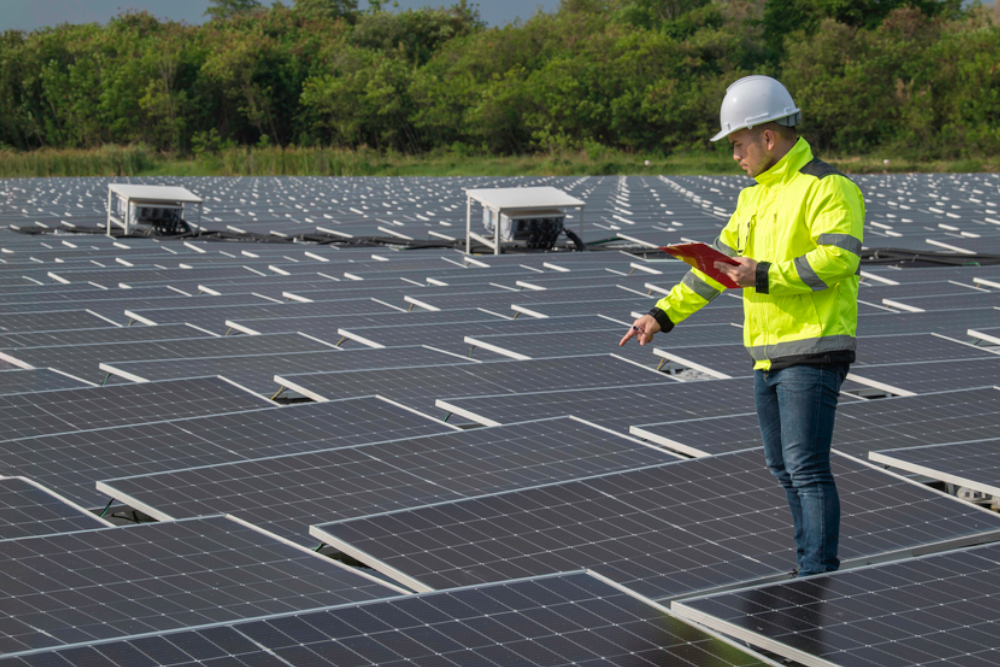
Professional inspections remain the most reliable approach for deeper checks. Trained technicians know how to move around rooftop systems without placing pressure on the panels themselves. They rely on mounting areas and proper safety equipment while checking wiring, connections, and panel condition. This approach protects both your roof and your solar equipment. Choosing alternatives to direct contact helps extend system life while keeping you safely off the panels.
Protect Your Roof and Your Solar Investment With Confidence
Understanding how rooftop solar systems respond to weight helps you make safer choices at home. Panels are built to handle weather exposure, yet concentrated pressure from foot traffic introduces risks to performance, safety, and warranty coverage. Microcracks, reduced output, and personal injury are issues that often appear long after the moment of contact. Safer alternatives like visual checks, monitoring tools, and professional inspections offer better protection. Small decisions around access can have a lasting impact on how well your system performs over time.
At Solar Energy Solutions of America, we help you care for your system without putting it at risk. Our team handles solar inspections, maintenance support, panel removal and reinstallation, and related services using trained in-house professionals. We also install residential photovoltaic solar, small commercial systems, solar pool heating, and solar attic fans, all designed with long-term reliability in mind. Every service is approached with attention to safety, system performance, and your specific home needs.
Reach out to us today to talk about your solar system or schedule professional support with confidence.